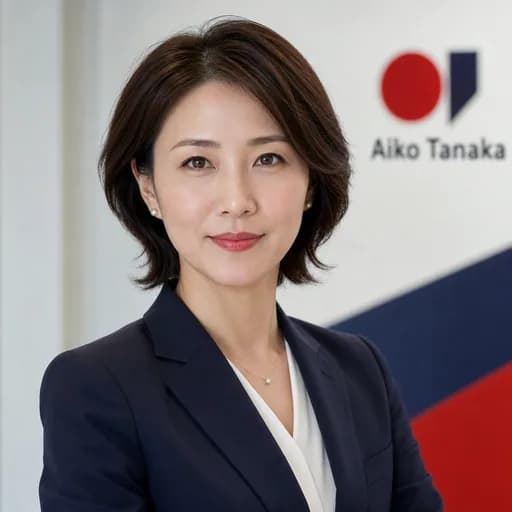
EVP, Chief Strategy Officer
Aiko Tanaka
Since 2022
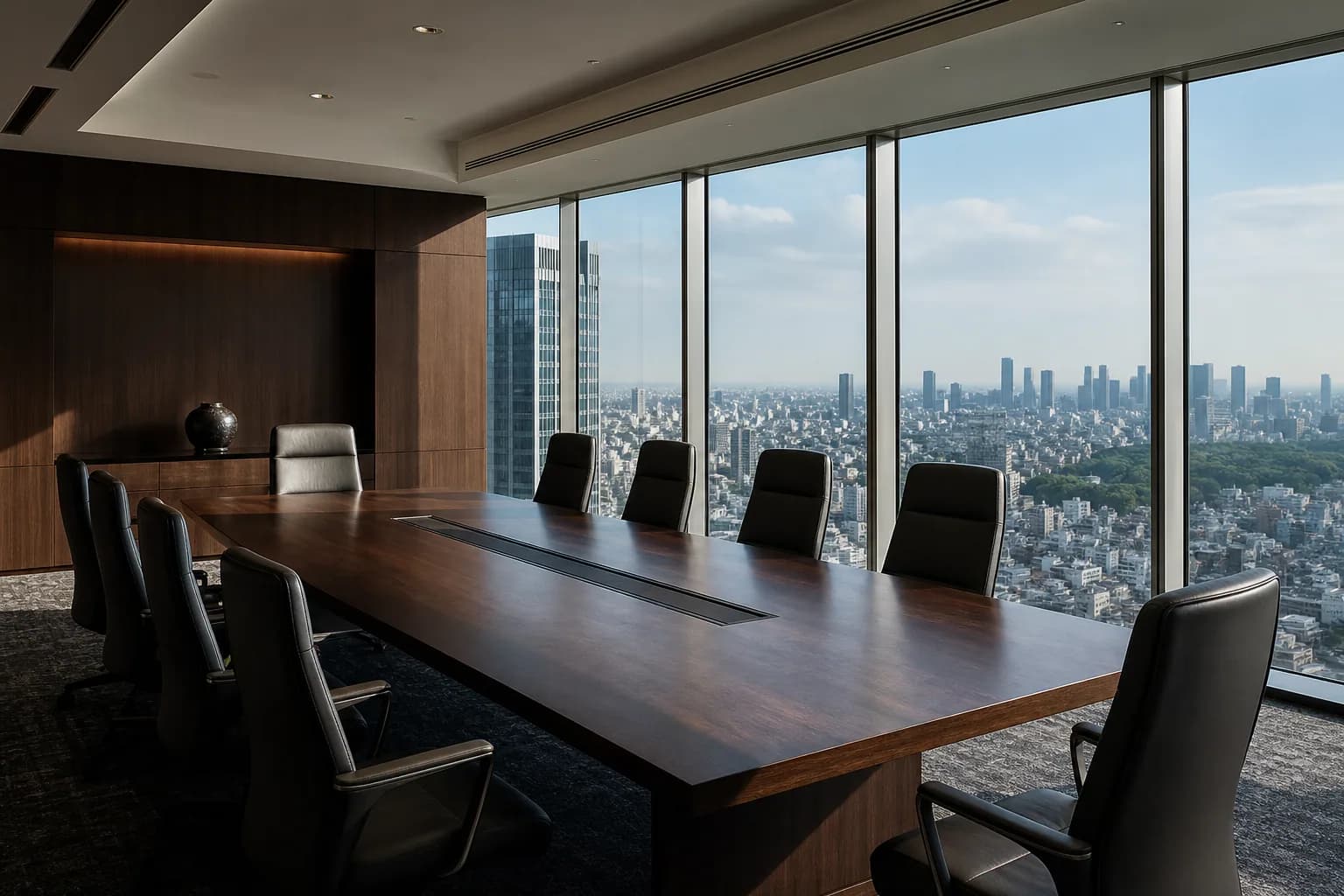
Founded 1881
The story of a trading house that has reinvented itself, era by era, for 144 years.
In 1881, in the treaty port of Yokohama, Yamato Bussan began as a trader of raw silk and tea — Japan's first goods to reach world markets. To move its own cargoes, the firm learned to charter ships, extend credit and read distant markets. Those three instincts — trade, finance and logistics — remain the core of the house today.
Through the twentieth century the company followed Japan's industrialization: machinery and infrastructure after the war, energy and metals through the boom decades, chemicals and food as living standards rose. Each era added a business; none replaced the last. By the Heisei years Yamato Bussan had become a fully integrated sōgō shōsha, investing alongside the trade it financed.
Today the throughline is the energy transition. The same network that once shipped coal now funds offshore wind, green hydrogen and the metals that batteries are built from — moving what the world is built on, responsibly, and for the long term.
Yamato Bussan opens in Yokohama, exporting raw silk and tea — Japan's foremost goods — to Europe and America.
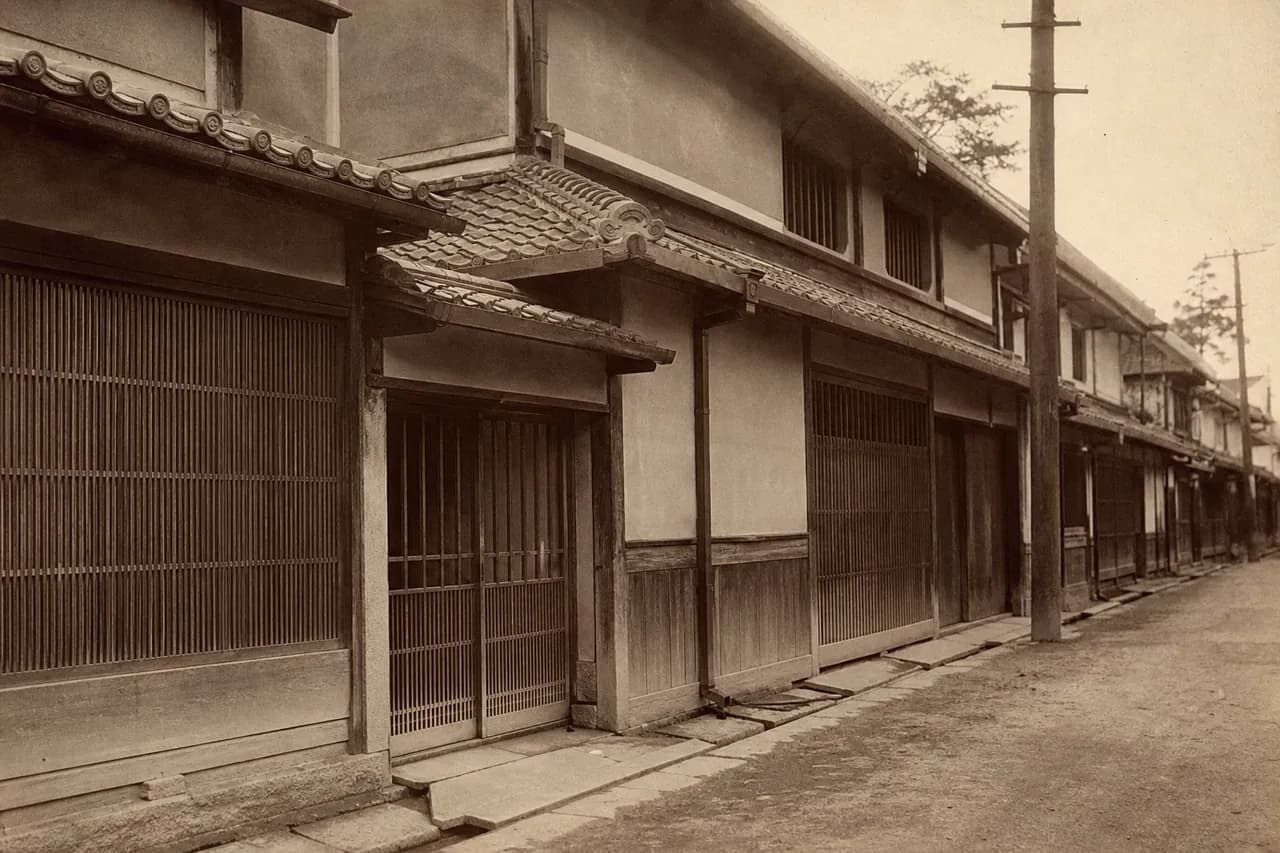
An Osaka branch opens; the firm begins chartering ships and extending trade credit to move its own silk, the seed of today's Machinery and Financial businesses.
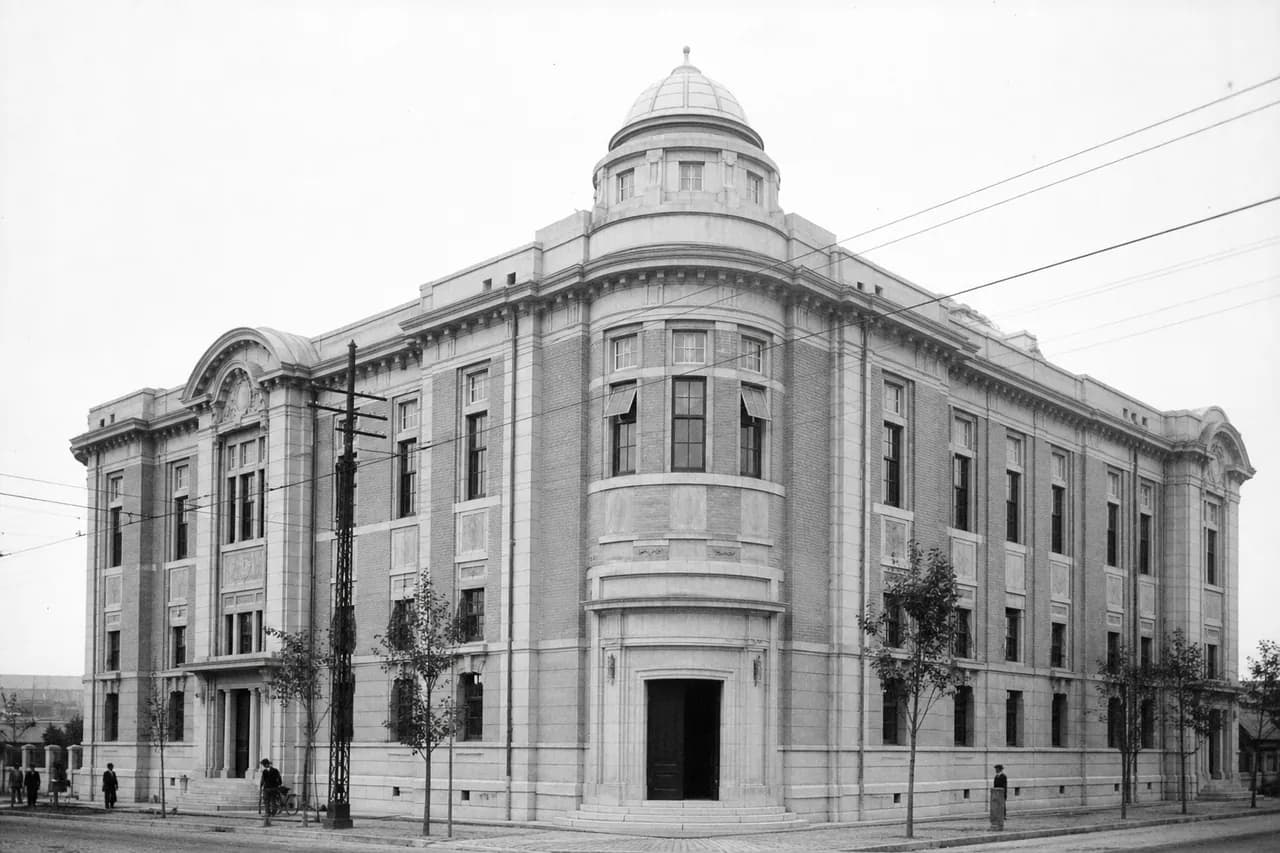
Yamato opens its first overseas office in London with a trade-finance desk to fund transcontinental cargoes — the origin of Financial Services.
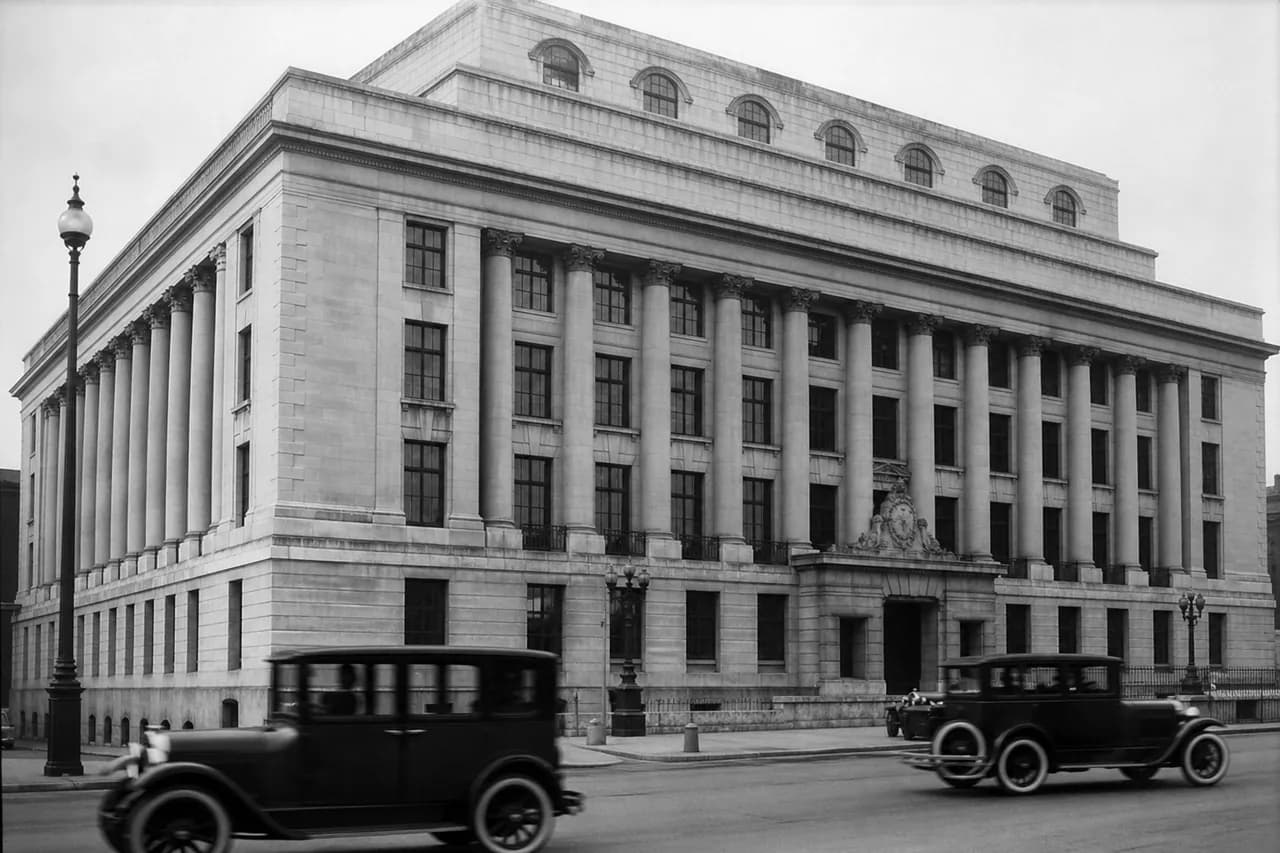
Reconstituted after the post-war dissolution of the zaibatsu, Yamato Bussan re-incorporates and turns from textiles toward the raw materials of reconstruction.
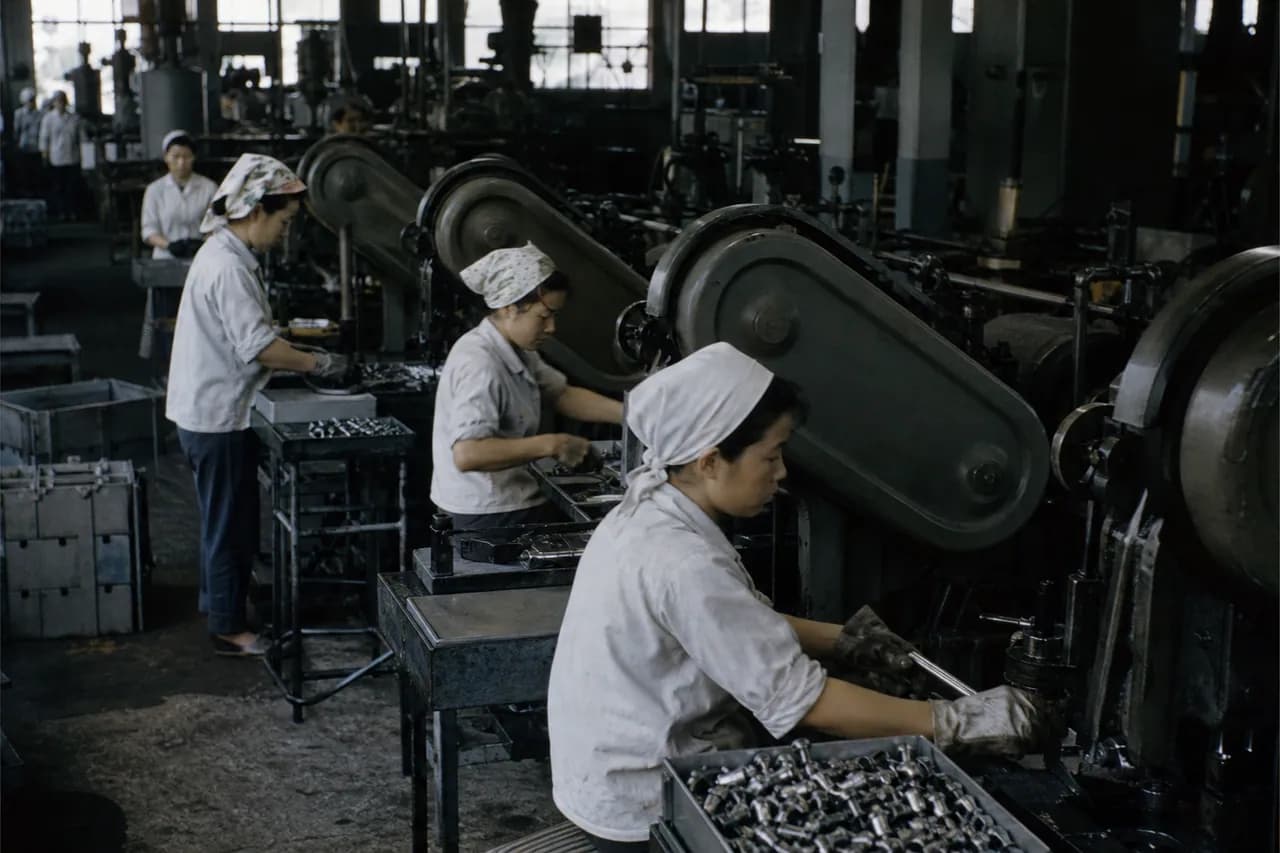
Yamato enters LNG and crude trading, opening offices across the Middle East to secure energy for Japan's high-growth economy.
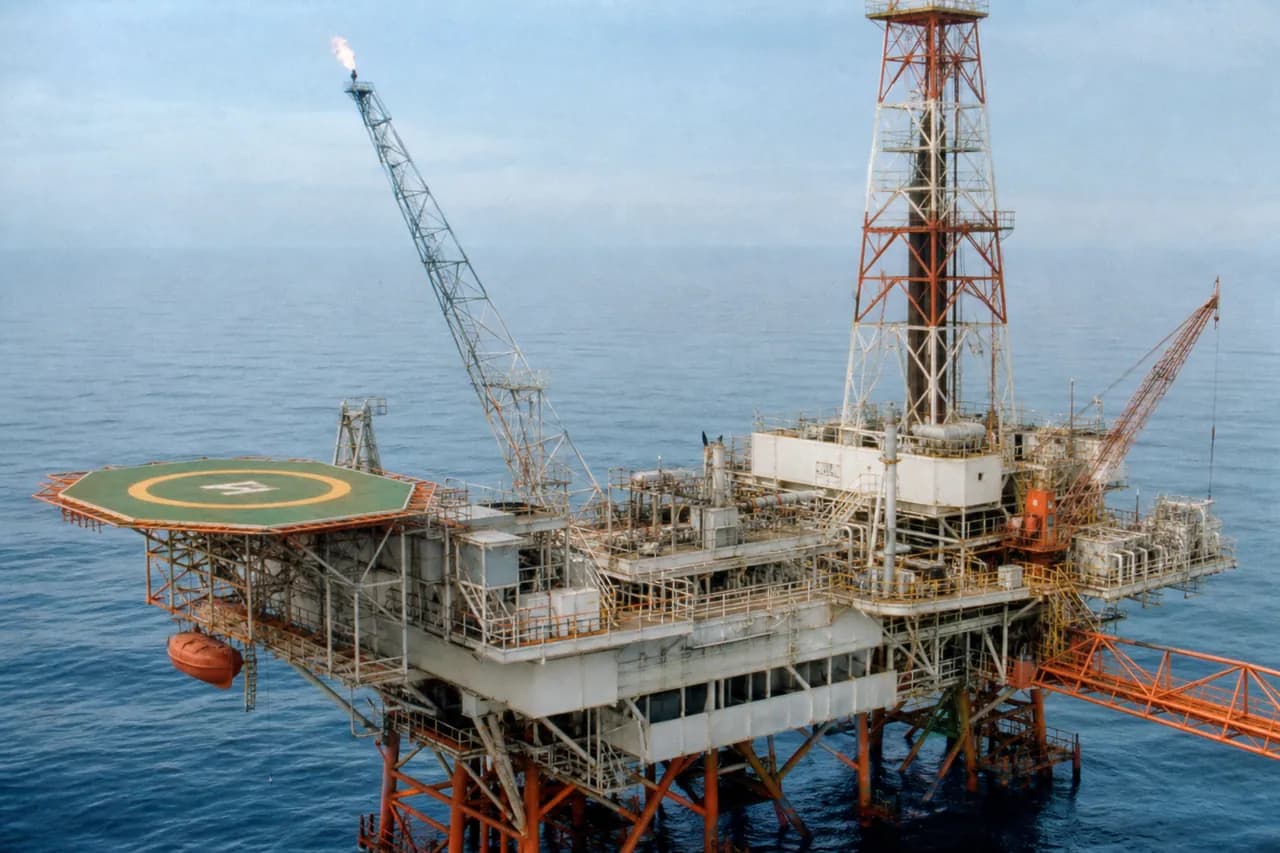
The Yamato Bussan Building opens in Otemachi, Tokyo — consolidating a now-global group into a single home.
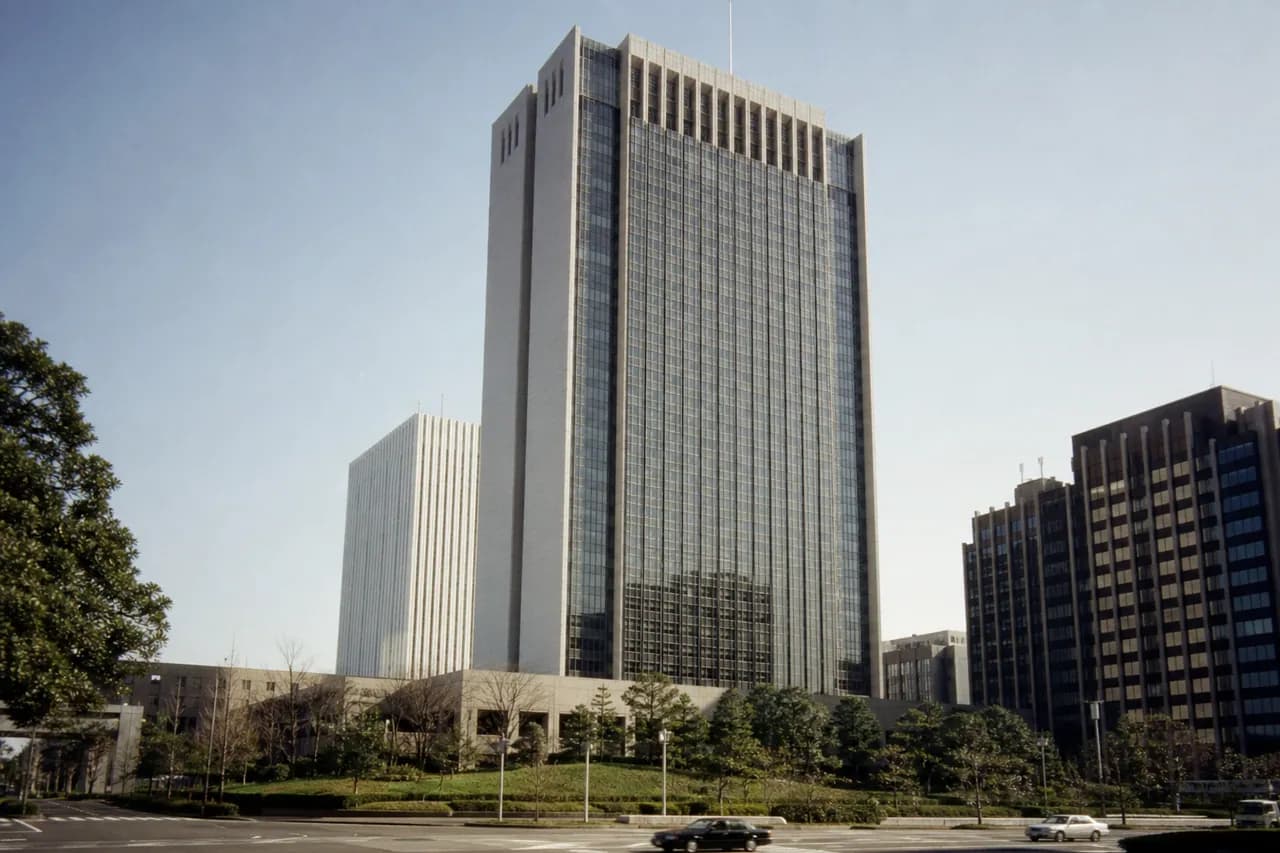
Yamato publishes its first environmental vision, committing to measure and reduce the footprint of its resource businesses.
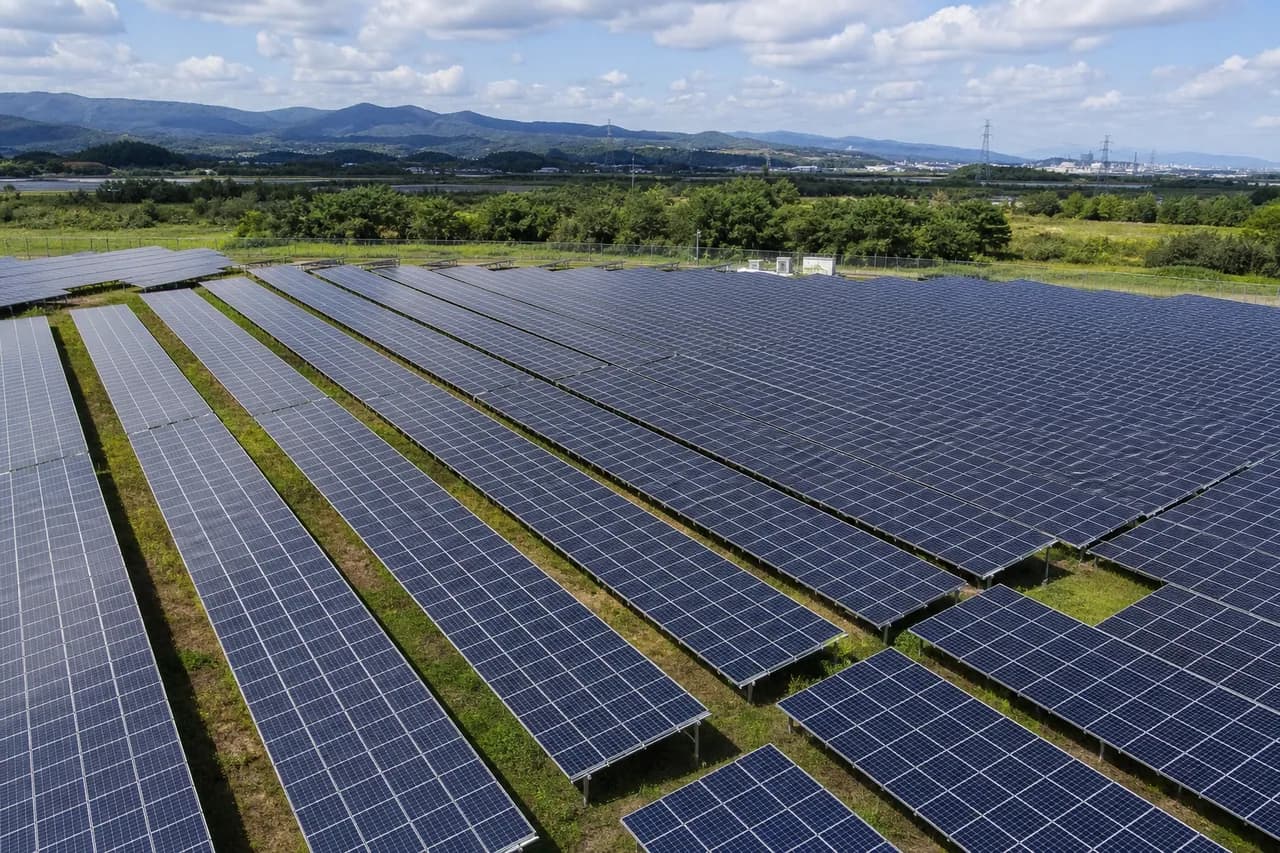
The group launches its corporate venture arm and digital-transformation office, planting what becomes the Next-Gen Digital segment.

Yamato commits to net-zero across its operations and portfolio by 2050, reframing every segment around the energy transition.

Profit reaches a record ¥1.18 trillion. The company pledges the windfall to its largest-ever transition investment programme.
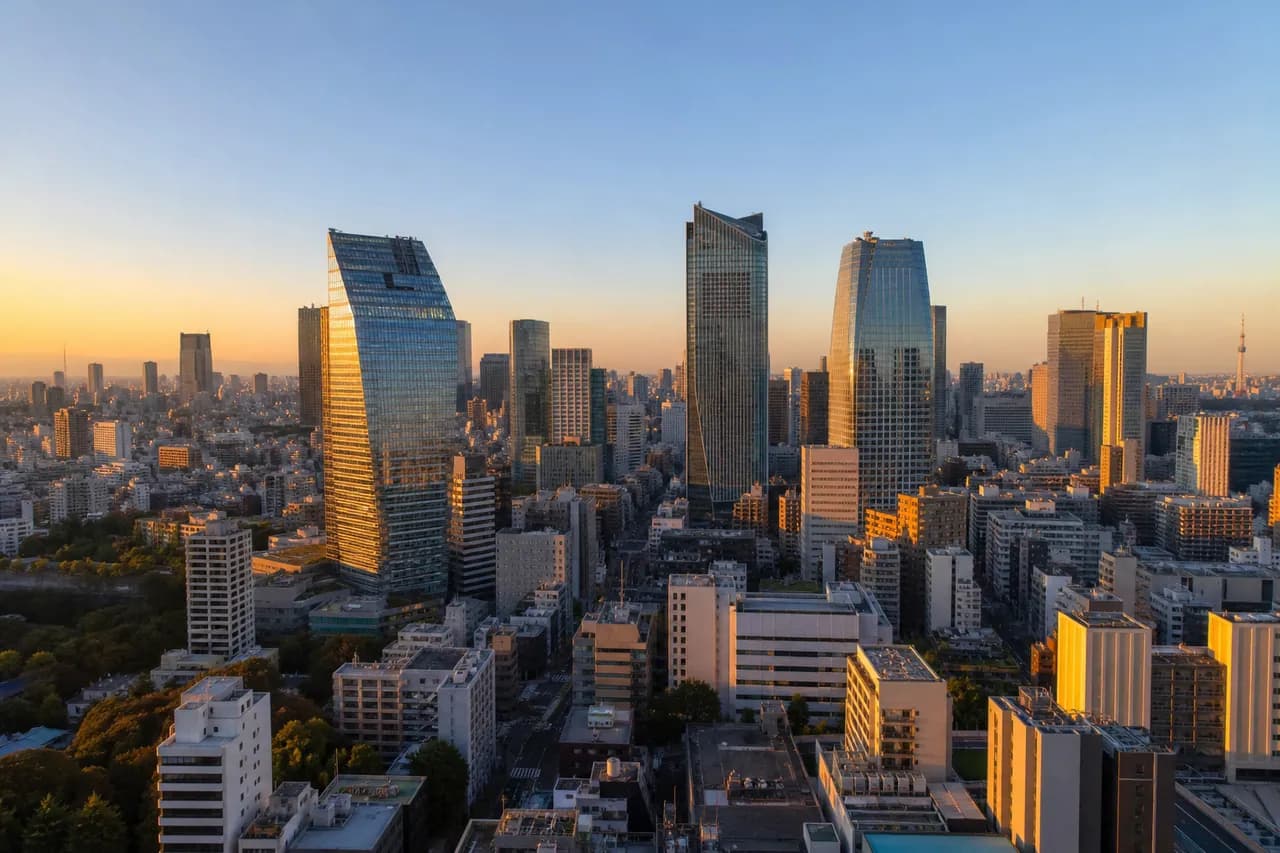
EVP, Chief Strategy Officer
Since 2022

EVP, Global & Americas
Since 2023
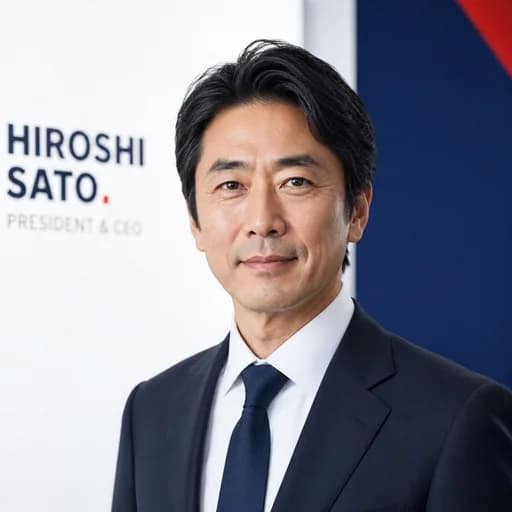
President & CEO
Since 2021
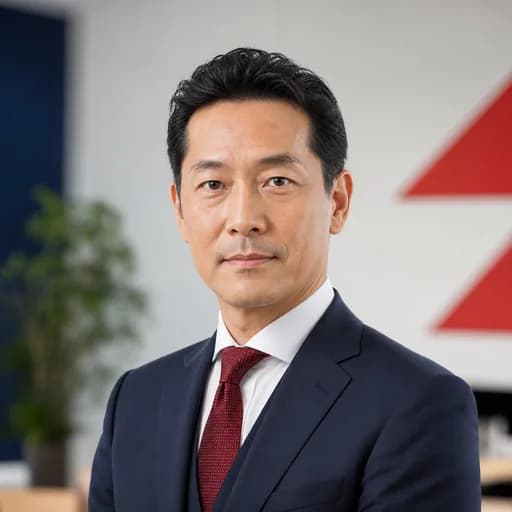
EVP, Energy & Power
Since 2019

Chief Digital Officer
Since 2022
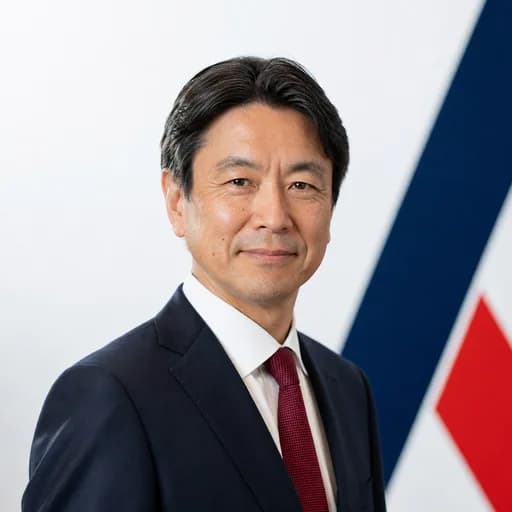
Chief Financial Officer
Since 2020
Our purpose
We move what the world is built on — responsibly, and for the long term.
We measure decisions in decades, not quarters. Infrastructure, resources and trust compound slowly; we invest as owners who intend to stay.
Trust is earned shipment by shipment. Since 1881 our name has travelled with the goods — and we have guarded it the same way ever since.
We decarbonize without abandoning our duty to supply. The world still needs energy, metals and food today; our task is to provide them while building what replaces them.
Yamato Bussan, in brief
Founded
Headquarters
Listing (TSE Prime, 8060)
Employees
Revenue